



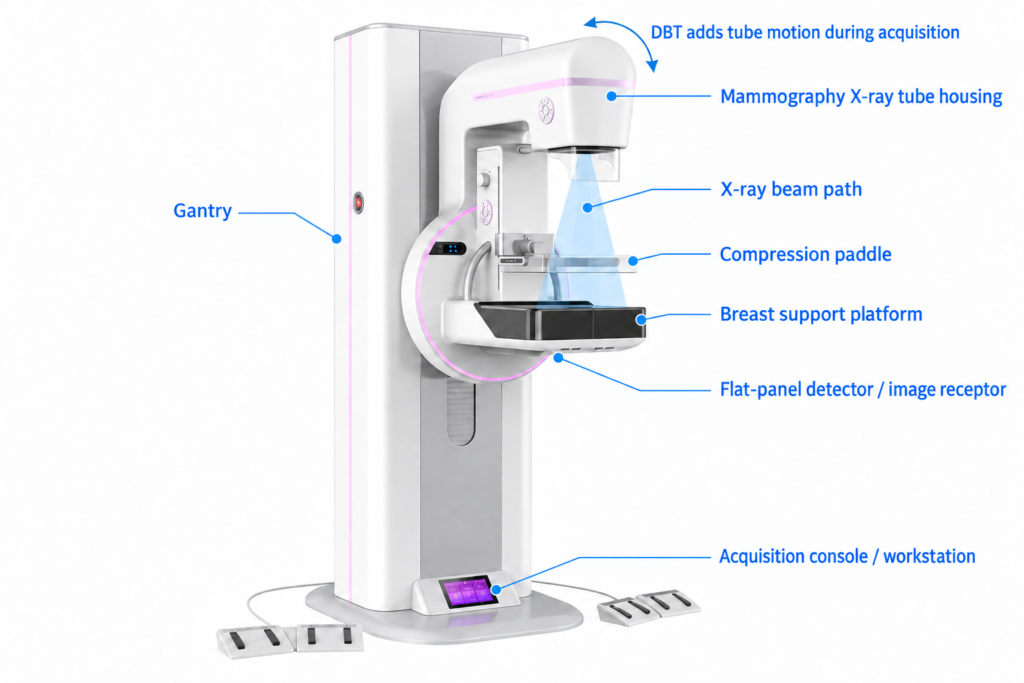
What Is a Mammography Machine? FFDM vs 3D Tomosynthesis Explained
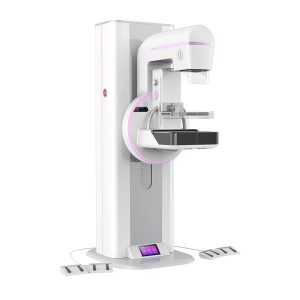
See how a mammography machine uses compression, X-rays and a digital detector, then compare FFDM with 3D breast tomosynthesis by acquisition and image output.

See how a mammography machine uses compression, X-rays and a digital detector, then compare FFDM with 3D breast tomosynthesis by acquisition and image output.
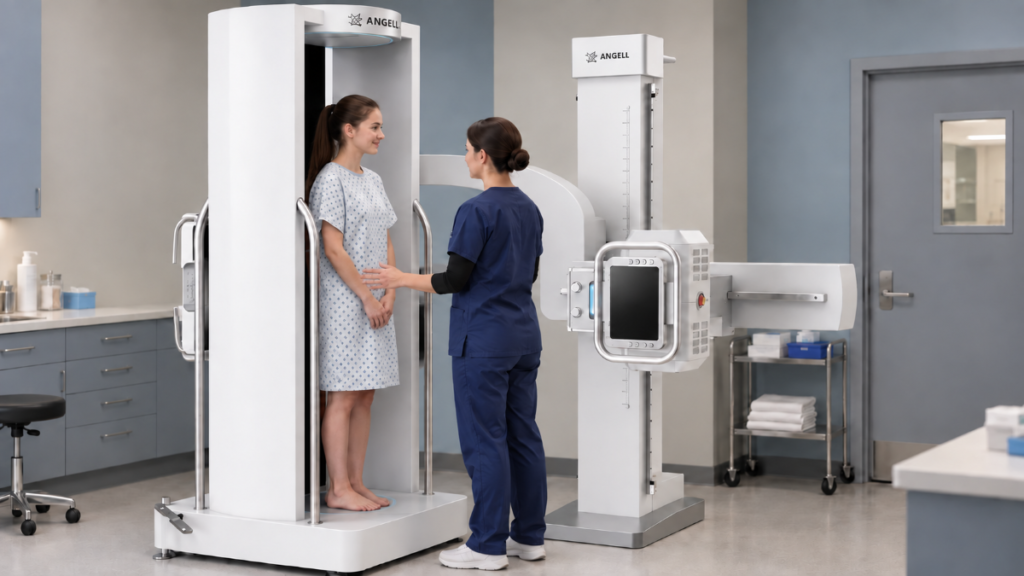
Compare X-ray, CT, and MRI by image detail, radiation, and workflow, including full-length X-rays, weight-bearing 3D imaging, and bedside dynamic radiography.
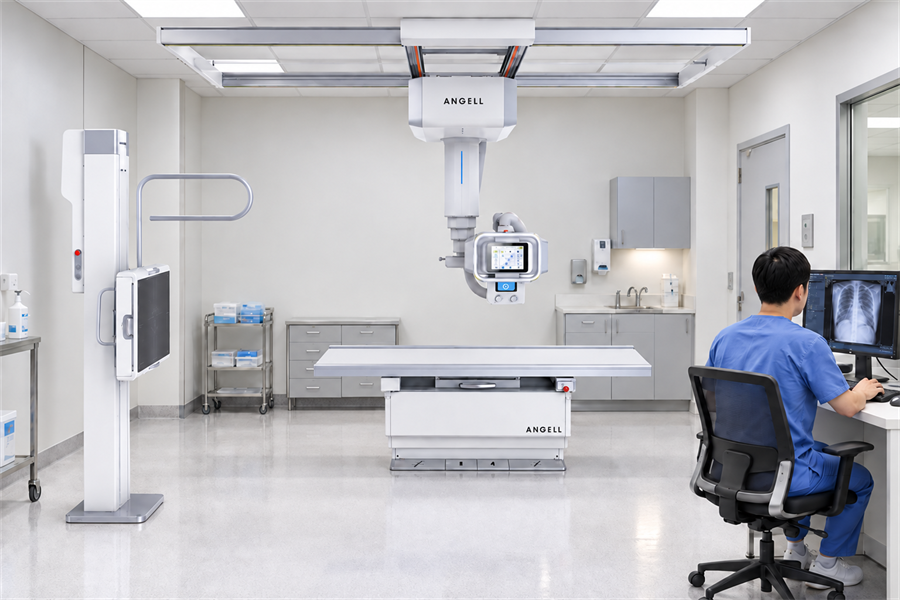
Compare DR vs CR system workflows, image confirmation speed, dose feedback, long-term cost, and upgrade choices for X-ray rooms and bedside imaging.
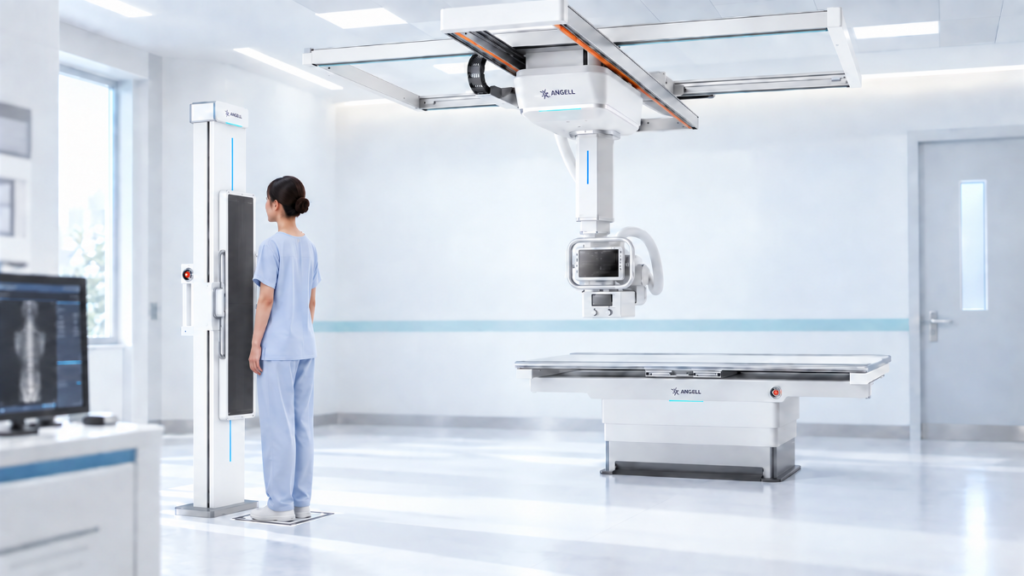
Stitching, full-frame, or weight-bearing 3D for adolescent idiopathic scoliosis? We compare imaging outputs, dose, motion risk, and Cobb angle consistency.
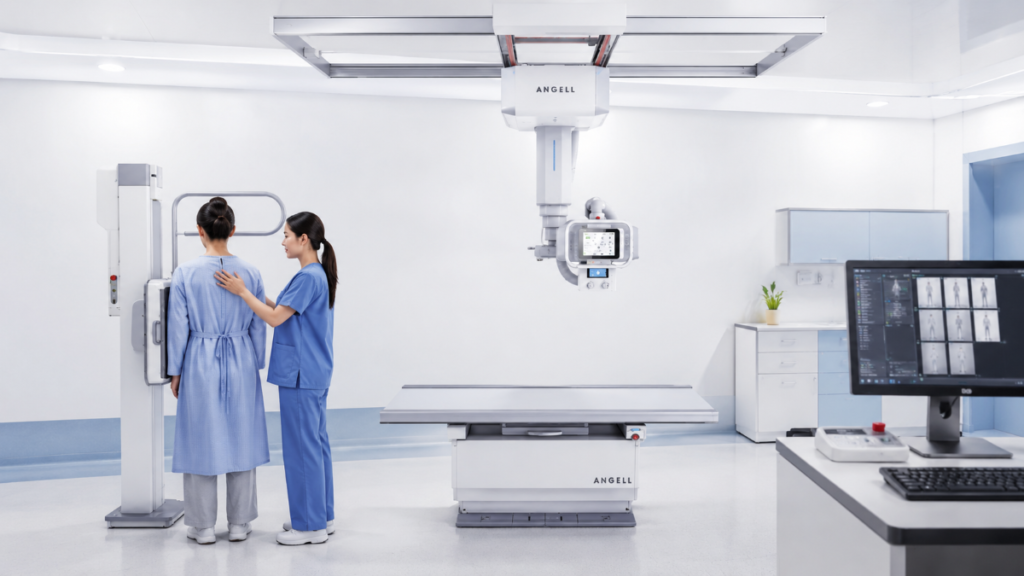
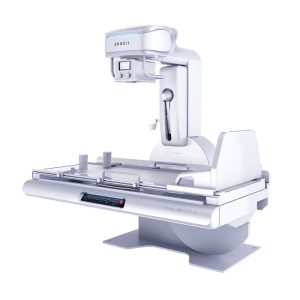
Compare dynamic DR and static DR by workflow, patient transport, functional imaging, dose control, and system geometry to choose the right X-ray system.
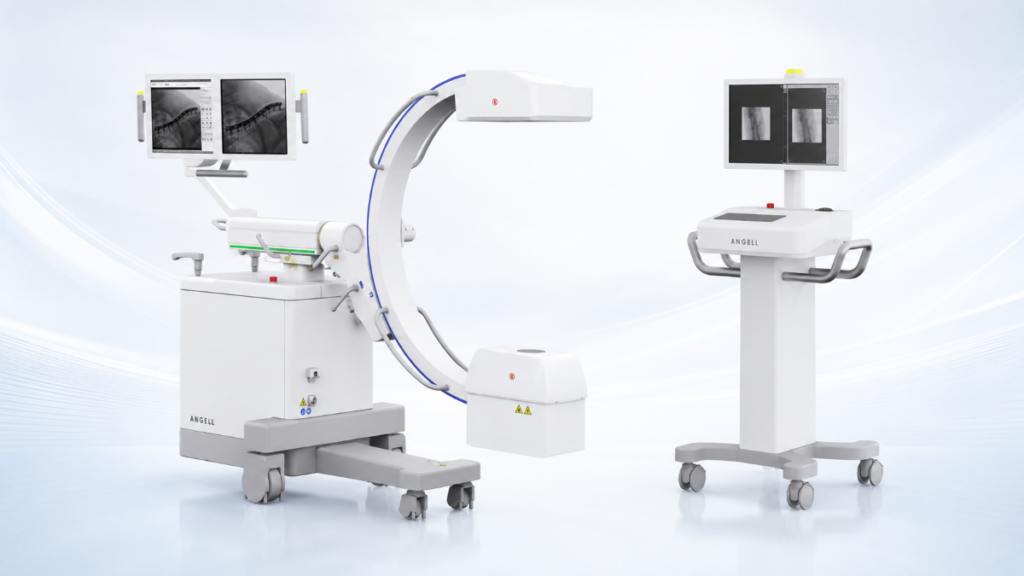
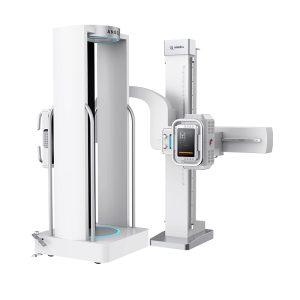
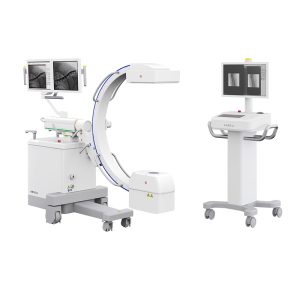
Compare C-arm and U-arm systems by structure, clinical workflow, room setup, imaging modes, and real product examples — HUA II and DTP580 from Angell Technology.